Best 10 days Kenya wildlife safari 2026, 2027 & 2028
The best 10 days Kenya wildlife safari 2026, 2027 & 2028 is a comprehensive, multi-ecosystem itinerary designed to maximize
wildlife diversity, geographic coverage, and overall safari value. This best 10 days Kenya wildlife safari 2026, 2027 & 2028
strategically connects Samburu, Amboseli, Lake Nakuru, Maasai Mara, and Lake Naivasha, delivering a balanced mix of northern,
Rift Valley, and southern Kenya ecosystems.
From a planning perspective, the best 10 days Kenya wildlife safari
2026, 2027 & 2028 optimizes routing efficiency while maintaining high-frequency game drives, ensuring consistent
wildlife encounters across all regions. This itinerary is ideal for travelers seeking extended safari exposure with
strong biodiversity output and structured pacing.
Full itinerary for the best 10 days Kenya wildlife safari 2026, 2027 & 2028
Day 1: Arrival in Nairobi
The best 10 days Kenya wildlife safari 2026, 2027 &
2028 begins with arrival in Nairobi, followed by transfer to your hotel.
The rest of the day is reserved for rest and safari
briefing in preparation for the best 10 days Kenya wildlife safari 2026, 2027 & 2028.
Day 2: Nairobi to Samburu National Reserve
On day two of the best 10 days Kenya wildlife safari 2026, 2027 & 2028, depart Nairobi for Samburu National Reserve
(approximately 5.5 to 6.5 hours).
Arrive in time for lunch followed by an afternoon game drive. Samburu is known
for unique northern species such as Grevy’s zebra, reticulated giraffe, and Somali ostrich.
Dinner and overnight at your lodge or camp.
Day 3: Full Day in Samburu National Reserve
Day three of the best 10 days Kenya wildlife safari 2026, 2027 & 2028 is dedicated to full-day game drives in Samburu.
Explore the Ewaso Nyiro River ecosystem, which attracts elephants, lions, leopards, and a variety of birdlife.
Return to your lodge for dinner and overnight stay.
Day 4: Samburu to Lake Nakuru National Park
The best 10 days Kenya wildlife safari 2026, 2027 & 2028 continues with a transfer to Lake Nakuru National
Park (approximately 5 to 6 hours).
Arrive for lunch followed by an afternoon game drive. Lake Nakuru
is known for white and black rhinos, flamingos, and diverse bird species.
Dinner and overnight at your lodge.
Day 5: Lake Nakuru to Lake Naivasha
On day five of the best 10 days Kenya wildlife safari 2026, 2027 & 2028, transfer to Lake Naivasha
(approximately 1 to 2 hours).
Optional activities include a boat safari or guided walking
safari at Crescent Island, offering a different wildlife interaction experience.
Dinner and overnight at your lodge.
Day 6: Lake Naivasha to Maasai Mara National Reserve
Day six of the best 10 days Kenya wildlife safari 2026, 2027 & 2028 involves a drive to Maasai Mara
(approximately 5 to 6 hours).
Arrive in time for lunch followed by an afternoon game drive in
one of Africa’s most productive wildlife reserves.
Dinner and overnight at your camp or lodge.
Day 7: Full Day in Maasai Mara National Reserve
The best 10 days Kenya wildlife safari 2026, 2027 & 2028 continues with a full day of game drives in
the Maasai Mara.
The reserve supports high densities of predators including lions, cheetahs, and
leopards, as well as large herbivore populations.
Dinner and overnight stay.
Day 8: Maasai Mara to Amboseli National Park
On day eight of the best 10 days Kenya wildlife safari 2026, 2027 & 2028, depart early for
Amboseli National Park (approximately 6.5 to 7.5 hours).
Arrive in the afternoon with
optional short game drive. Amboseli is known for large elephant herds and views of Mount Kilimanjaro.
Dinner and overnight at your lodge.
Day 9: Full Day in Amboseli National Park
Day nine of the best 10 days Kenya wildlife safari 2026, 2027 & 2028 is dedicated to full-day
game drives in Amboseli.
Wildlife includes elephants, lions, cheetahs, giraffes, zebras,
and extensive birdlife across open plains.
Dinner and overnight stay.
Day 10: Amboseli to Nairobi – Departure
The final day of the best 10 days Kenya wildlife safari 2026, 2027 & 2028 includes
breakfast followed by transfer back to Nairobi (approximately 4 to 5 hours).
Arrival in Nairobi marks the conclusion of the best 10 days Kenya wildlife safari
2026, 2027 & 2028.
best 10 days Kenya wildlife safari – 2026, 2027 & 2028 include
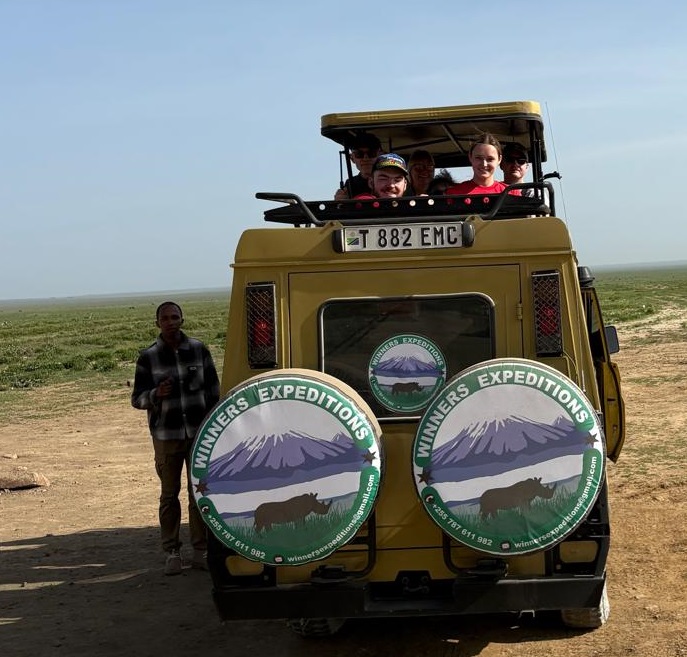
- Transport (4x4 Land Cruiser) with open roof
- Park fees
- Professional English-speaking safari guide
- Professional safari services
- Lunch boxs
- 1.5l bottle of water per day
- all accommodations from arrival to departure with all meals included
best 10 days Kenya wildlife safari – 2026, 2027 & 2028 exclude
- Both National and International flights
- Medical insurance
- Tips to safari guide
- Items of a personal nature
We are available 24/7
Let us plan your best 10 days Kenya wildlife safari – 2026, 2027 & 2028
Related tours
Best Time to Go for your best 10 days Kenya wildlife safari – 2026, 2027 & 2028
- The optimal timing for the best 10 days Kenya wildlife safari 2026, 2027 & 2028 depends on what outcome you want to prioritize: migration events, predator visibility, cost efficiency, or landscape conditions. From a planning and yield perspective, the year can be segmented into three strategic windows:
1. Peak Season (July – October) — Highest Wildlife Density This is the most data-backed optimal window, driven by the Great Migration in the Maasai Mara. During this period:
Wildebeest river crossings increase predator-prey interaction rates. Grass is shorter, improving visibility and detection probability. Wildlife concentrates around water sources, especially in Amboseli and Samburu. Trade-off: pricing premiums (20–40% higher) and higher tourist density.
2. Shoulder Season (January – March) — Best Balance of Cost and Visibility This is analytically one of the most efficient periods: Dry conditions maintain good wildlife visibility. Predator activity remains high, especially in Maasai Mara and Samburu. Fewer tourists compared to peak season, improving experience quality. For a “budget safari optimization model,” this window often delivers the best value-to-experience ratio.
3. Green Season (April – June, November) — Budget Efficiency This is the lowest-cost entry point: Significant discounts on lodges and transport. Landscapes are greener, improving photographic diversity.
However: Rainfall can reduce accessibility in some areas. Wildlife dispersion increases, lowering encounter predictability.